Rarely are two days ever the same in this line of work.
Ropes and harnesses, ladders and Mobile Elevated Work Platforms, chainsaws and trimmers - all part of the fun arsenal of tools I use to undertake tree surgery on a day to day basis.
Some jobs are simpler than others with services ranging from the yearly trim of your head high hedge to the complete dismantling of diseased or even completely dead trees spanning multiple gardens.
The main services I offer are outlined below but if you want something thats not listed just give me a call and I’ll see what I can work out for you.
Crown Reduction
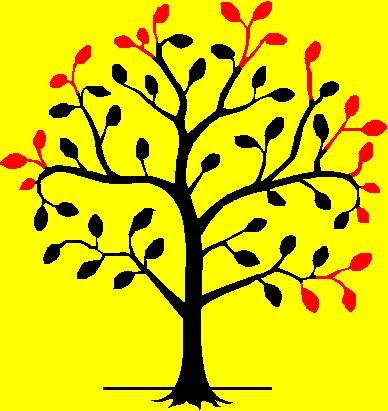
This is the classic operation to make a tree smaller whilst retaining or, dare I say improving, its overall shape. As a rule of thumb up to 30% of the trees biomass can be removed without being overly detrimental to tree health and where possible I reduce to natural target pruning points to maintain a natural looking and healthy canopy.
Fell/Dismantle
Trees form important semi-permantent roles in local ecologies so I rarely recommend (and often try to dissuade customers) from removing trees.
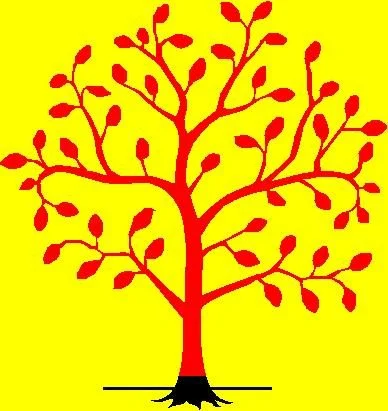
Sadly not all trees are planted or seeded in the right place though and become too large or are otherwise unsuitable for their surroundings. As such a part of living alongside trees means sometimes having to remove them something which I aim to do safely and with dignity.
Stump Grinding
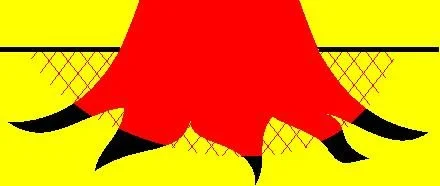
Grinding is a process of mechanically removing a tree stump by shredding the woody remnants into slithers which are mixed into the surrounding substrate.
Depending on access, the stump can often be removed down to about 12” below surface level. Large roots are “chased out” with smaller peripheral roots left to rot away harmlessly.
Hedge Trimming
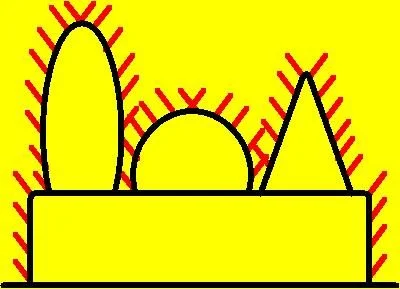
Doable yourself? Perhaps. Is there any shame in letting me wobble about up a ladder with a hedge trimmer and then tidy away all the mess afterwards? Abosolutely not!
Whether it’s a one off visit to get an errant hedgeline back under control or a regular trim to keep your topiary pristine I’m here to advise and undertake work as necessary.
Head backs
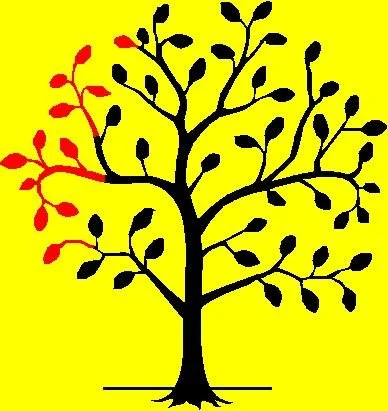
Similar to a reduction but localised to one or more “faces” of the canopy. Often utilised when a tree is growing towards/over something we rather it wouldn’t.
When I head back a plant I prune to natural target pruning points where possible as well as blending the surrounding growth to give a smoother shape to the remaining canopy and to improve the subsesquent regrowth.
Crown Lift
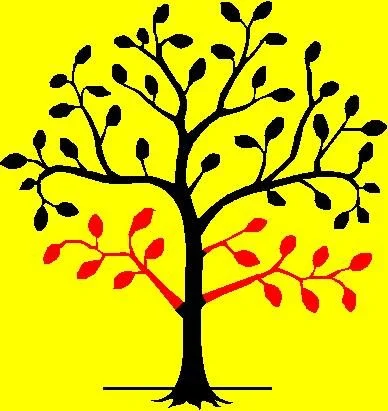
This is probably my most often recommended operation. Removing the lowest branches and clearing the air space under a tree often lets in substantially more light when compared with reducing the upper canopy and often without removing nearly as much photosynthetic biomass from the tree. If your tree is making you feel encroached upon or claustraphobic chances are this will remedy the situation.
Pollarding
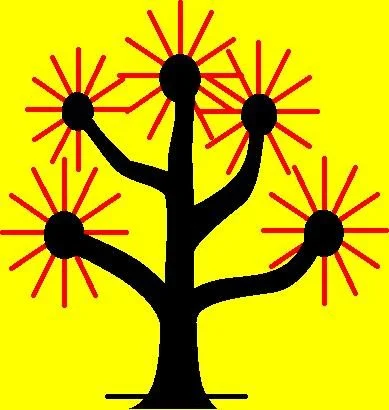
A pruning style not to everyone’s tastes but an important maintenance method none the less. Often utilised on trees which grow with great vigour; pollarded trees characterised by their lumpy “knuckles” can often be maintained at the same height for many years. It is important to note that not all species respond well to such aggressive pruning and once performed it is best to repeat on a shedule (yearly to 5 yearly depending on species).
Planting
Sadly overlooked when it comes to tree based operations is the simple act of ensuring future work by planting quick growing trees in tight spaces not designed for them.
All jokes aside though I’m always happy to give professional advice (for free) on location and species if you are looking to plant a tree and can source, transport and plant trees from saplings to semi-standard trees (that costs money I’m afraid).
Fruit tree pruning, formative pruning and thinning
Formative pruning (pruning for form) is performed on younger trees to remedy issues before they become problematic. It usally involves the removal of crossing branches or codominant stems.
Pruning for fruit varies depending on species and time of year but tends to involve pruning tip growth back to vigorous budding points as well as making sure the crown is nice and open to provide lots of room for fruit to develop.
Thinning is the removal of unwanted branches such as dead and crossing ones and aims to leave a canopy of nice even density. It is often employed in the above operations but can be its own standalone operation too.
Tree Surveys
If you have the priviledge of owning or looking after a good number of trees, and especially those with public access, you may find it beneficial to have your trees surveyed. This will help you get an understanding of what trees you have, the condition they are in as well as documented evidence of any recommendations for future tree work.